Skip to content
Jangara Bliss

Computer Engineering · AI Systems · Physical World

Building AI systems for the physical world.

Jangara Bliss is a computer engineering student focused on machine learning that leaves the notebook — vision-language navigation deployed on a real humanoid, locomotion policies trained in simulation, and the systems engineering that connects models to machines. Graduate study is the next step: deeper AI/ML foundations for building serious physical-AI systems.

Deployment topology — schematic

Robot camera stream

Booster K1

Relay / control machine

Model inference

RTX 5090 · 8B VLA

Velocity commands

robot SDK

telemetry & evaluation

Simulation

Isaac Sim / Isaac Lab

sim-to-real

Schematic of the real three-machine deployment — full diagram pending in the project writeup.

Selected Work

Featured projects

Case studies over screenshots — each entry is structured around evidence.

Embodied AI · DeploymentFeatured

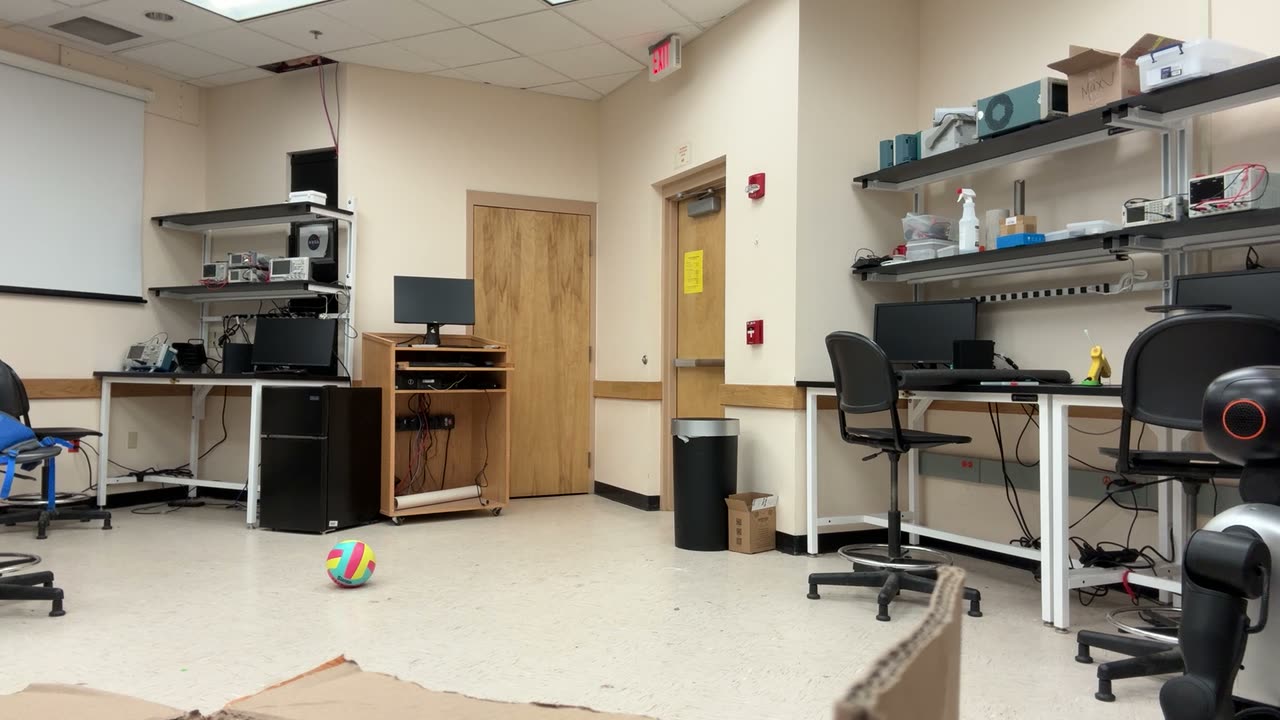
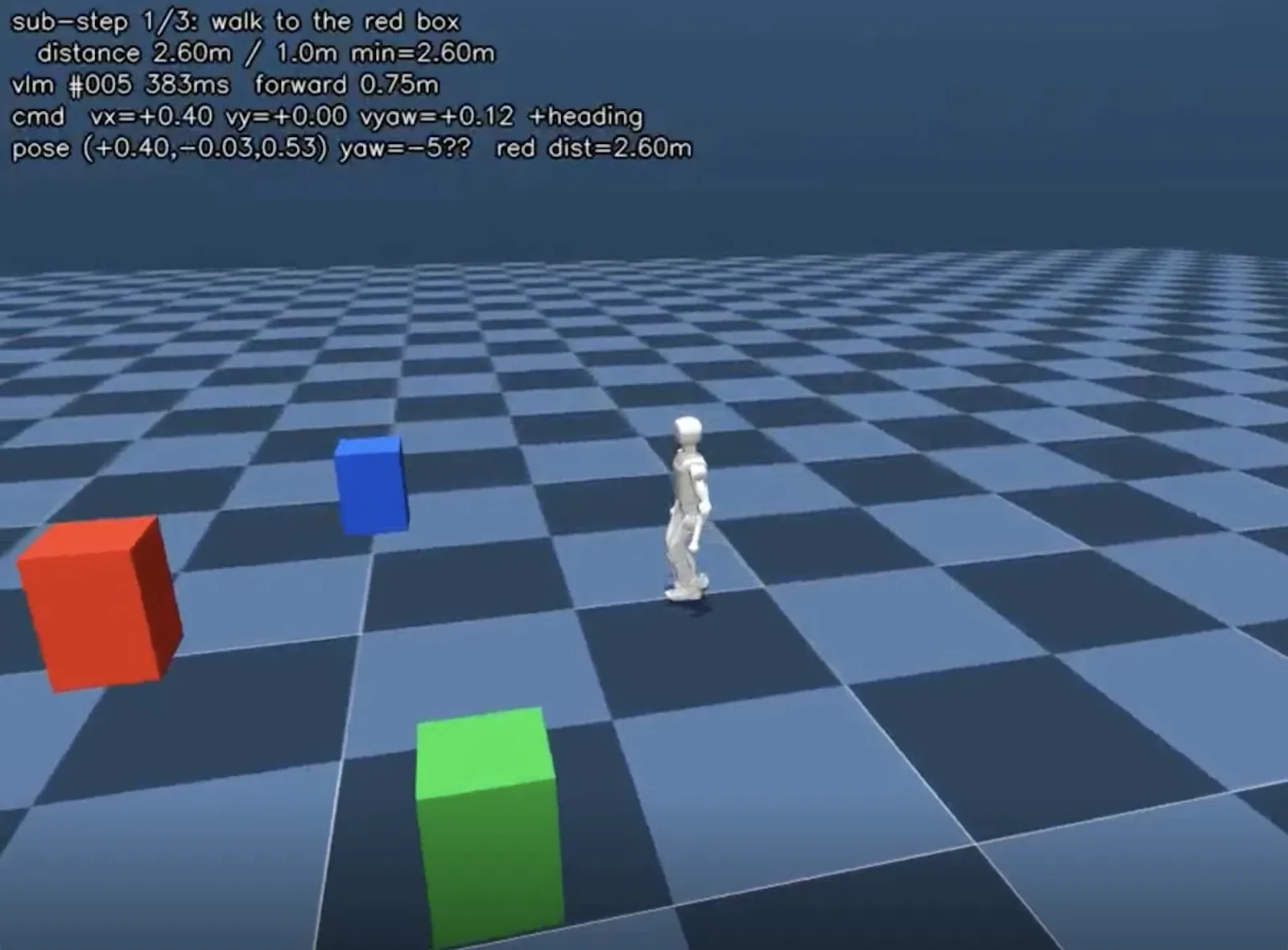
Vision-Language Navigation on a Booster K1 Humanoid

An 8B vision-language-action model, a three-machine inference relay, and a humanoid that walks toward natural-language goals.

VLA · navigation · humanoid
Vision & PerceptionFeatured

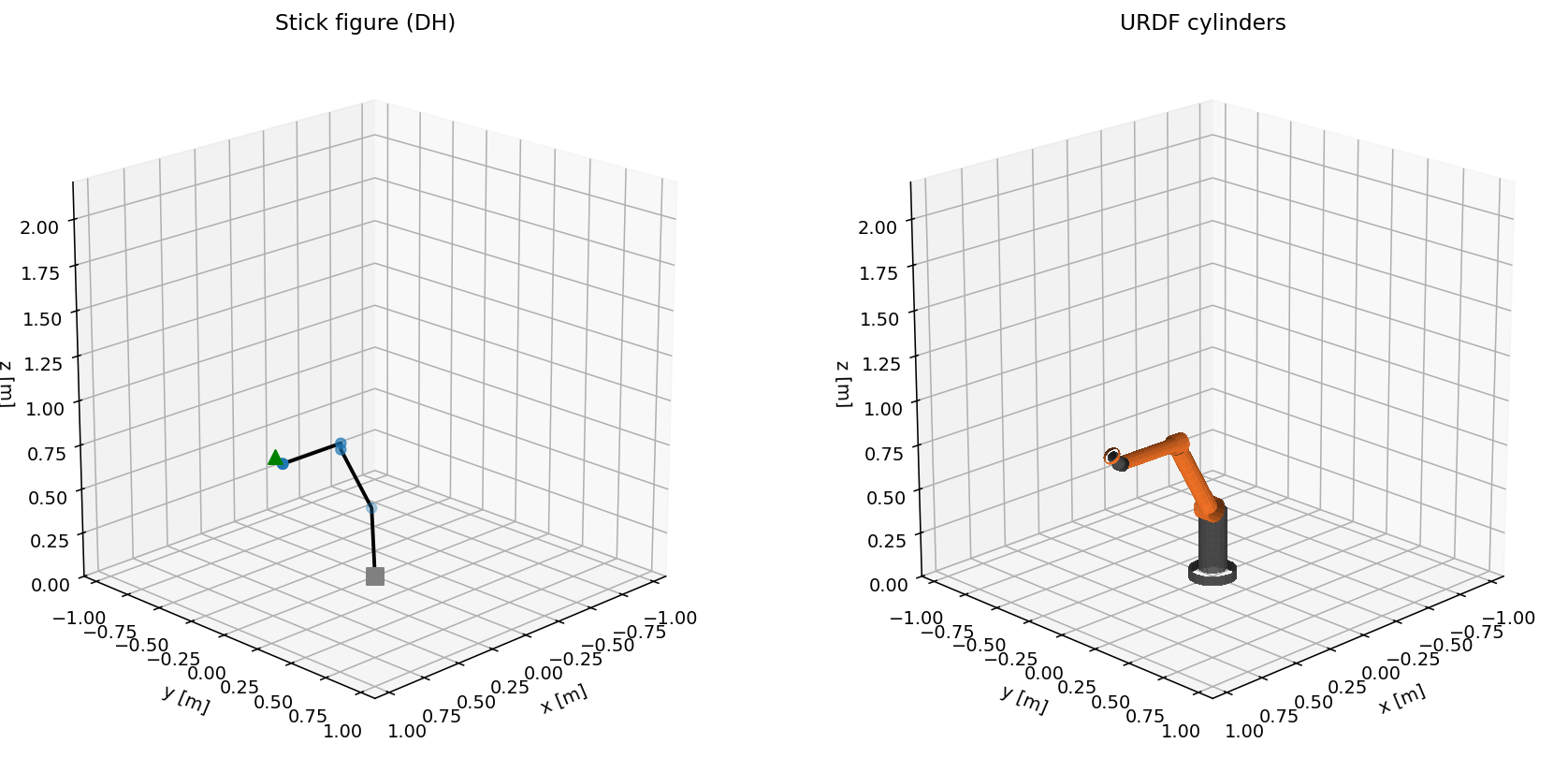
Robotic Inspection of Photovoltaic Hotspots

Two industrial robots revived from a lab closet, a YOLOv8 model trained on 1,682 thermal images, and mAP@0.5 = 0.985 on hotspot detection.

computer vision · thermal inspection · YOLOv8
Embedded & EdgeFeatured

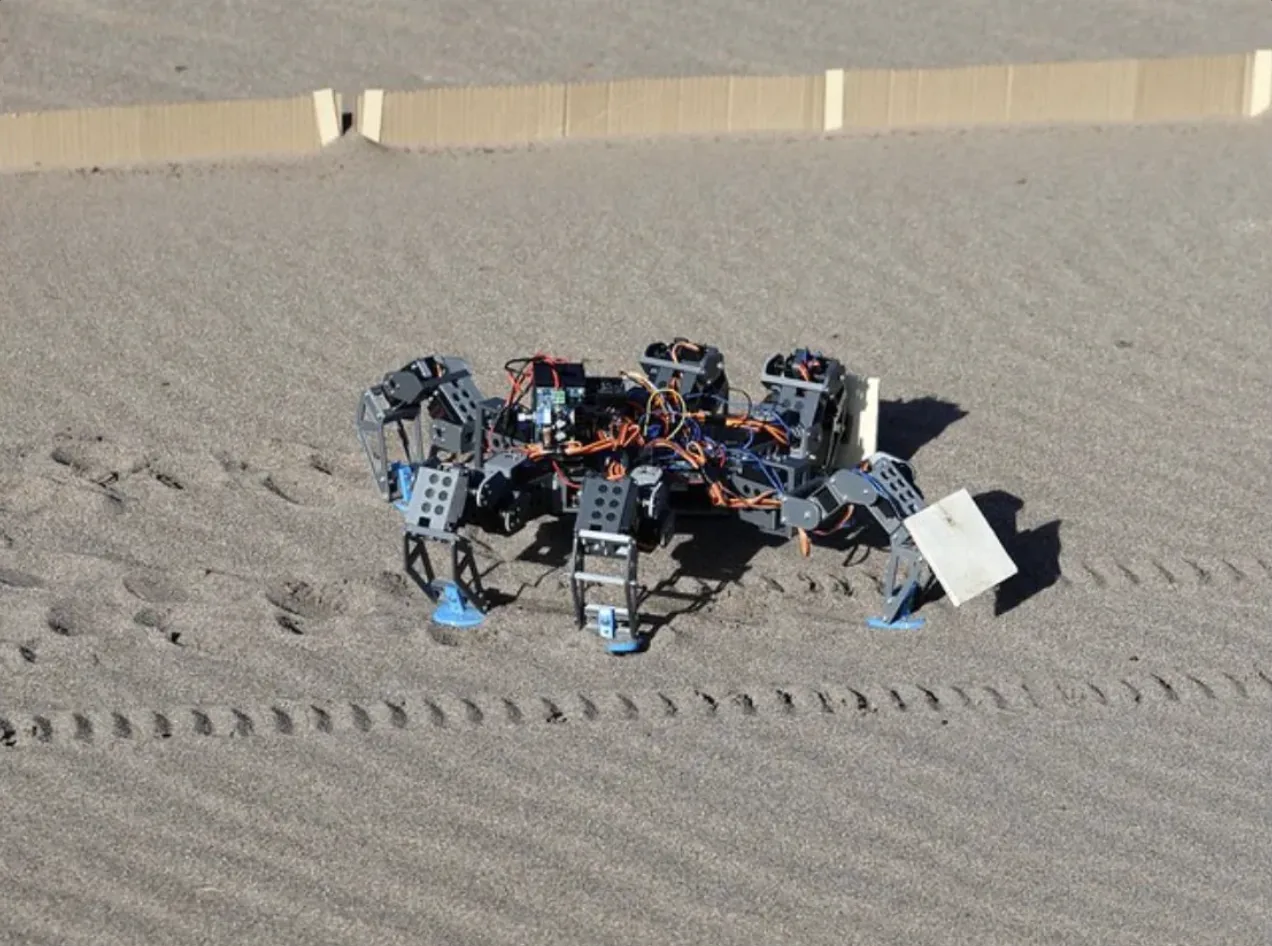
Autonomous Hexapod — NASA Colorado Robotics Challenge

An 18-DoF walker with emergent Kuramoto-CPG gaits and IMU heading-hold autonomy — competed on the dunes, then learned to dance.

hexapod · autonomy · firmware
RL & SimulationSelected work

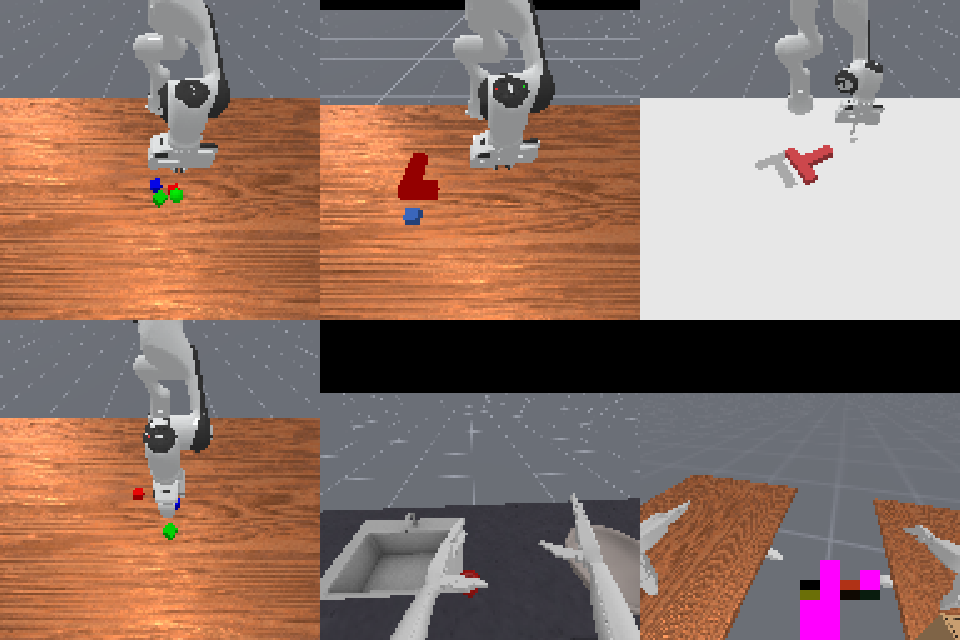
Reinforcement-Learned Locomotion & Evaluation in Isaac Sim

PPO locomotion policies and benchmark-style evaluation in Isaac Sim / Isaac Lab, with sim-to-real transfer as the point, not an afterthought.

reinforcement learning · locomotion · simulation
Systems IntegrationSelected work

A Three-Machine Relay for Real-Time Robot Inference

GPU workstation, relay/control node, and robot — turned into one control loop with defensible interfaces.

distributed systems · control loop · robotics middleware
Product & EntrepreneurshipSelected work

KDUR Community Radio Data Platform

A deployed data platform for Fort Lewis College's radio station — 60+ daily users — with an applied-AI research layer for search and royalty integrity.

product · deployed software · NLP

Technical Focus

Lanes of work

Seven lanes, one through-line: models that have to survive real hardware.

Multimodal AI

Vision-language and vision-language-action models as interfaces between human intent and machine behavior.

Computer Vision & Perception

Detection and perception pipelines that hold up outside the dataset — YOLOv8 in practice, sensing under real constraints.

Reinforcement Learning & Simulation

PPO locomotion training and evaluation in Isaac Sim / Isaac Lab, with attention to what transfers and what doesn't.

Robot Learning & Autonomy

Navigation and control stacks where learned components meet classical robotics — and the evaluation to tell them apart.

Systems Integration

Multi-machine topologies: GPU inference, relay/control nodes, camera streaming, and SDK-level velocity control as one system.

Embedded & Edge Systems

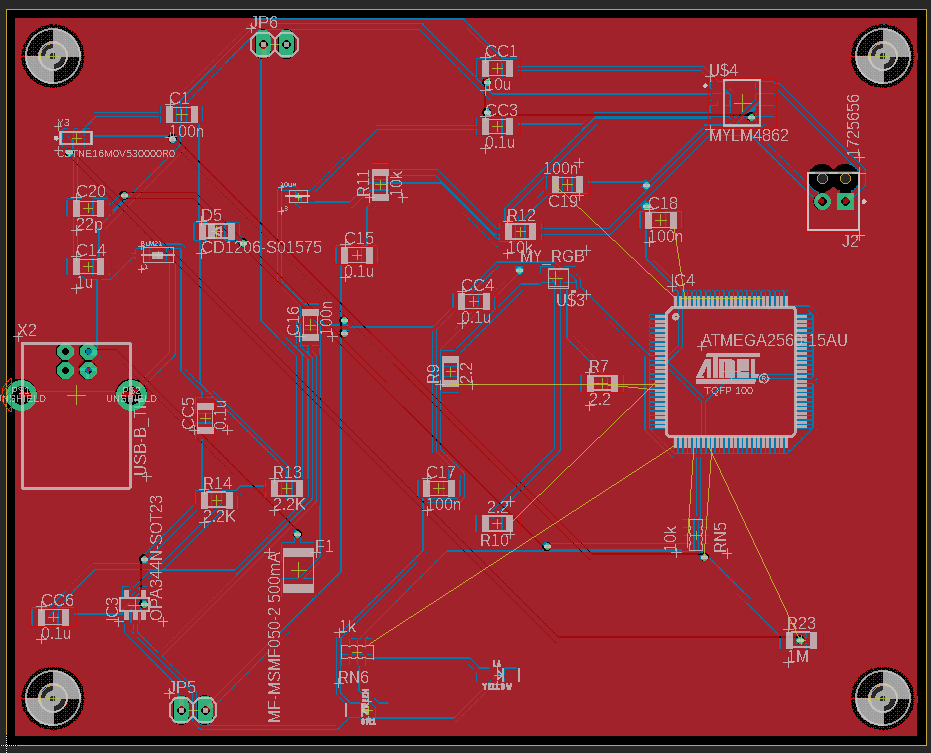
FPGA, PCB, and microcontroller work — the layer where compute budgets, timing, and physics stop being abstractions.

AI Product Prototyping

Turning capability into products with real users and real constraints, informed by formal entrepreneurship training.

Why Graduate Study

The next step is depth

01

The next systems need stronger foundations — optimization, learning theory, perception, control — than an undergraduate curriculum provides. A terminal master's is the direct path to that depth.

02

Deploying a vision-language model on a real humanoid surfaced questions about robustness, evaluation, and sim-to-real transfer that deserve proper study, not just engineering workarounds.

03

The long-term goal is building physical-AI products. Graduate study is leverage: research taste, harder problems, and an environment operating at a higher level.

Trajectory

Builder arc

  1. 2022 – 2027

    Computer engineering foundation

    Fort Lewis College · minors in mathematics and business

    Core curriculum across circuits, embedded systems, digital design, and software — with math and business minors picked up deliberately alongside it.

  2. 2023 – 2024

    Entrepreneurship track

    President & co-founder, Entrepreneurial Ventures Association

    Co-founded and led FLC's entrepreneurship organization to New Registered Student Organization of the Year; ran a campus pitch competition and brought the NASA Venture Program to campus. Goldman Sachs Emerging Leaders alum.

  3. 2024 – 2025

    Applied-AI data platform

    KDUR community radio · Power Apps, embeddings, Neo4j

    Built and deployed the radio station's library and scheduling platform (60+ daily users), then prototyped the AI layer: vector embeddings for artist-name resolution and natural-language-to-Cypher agents.

  4. Summer 2025

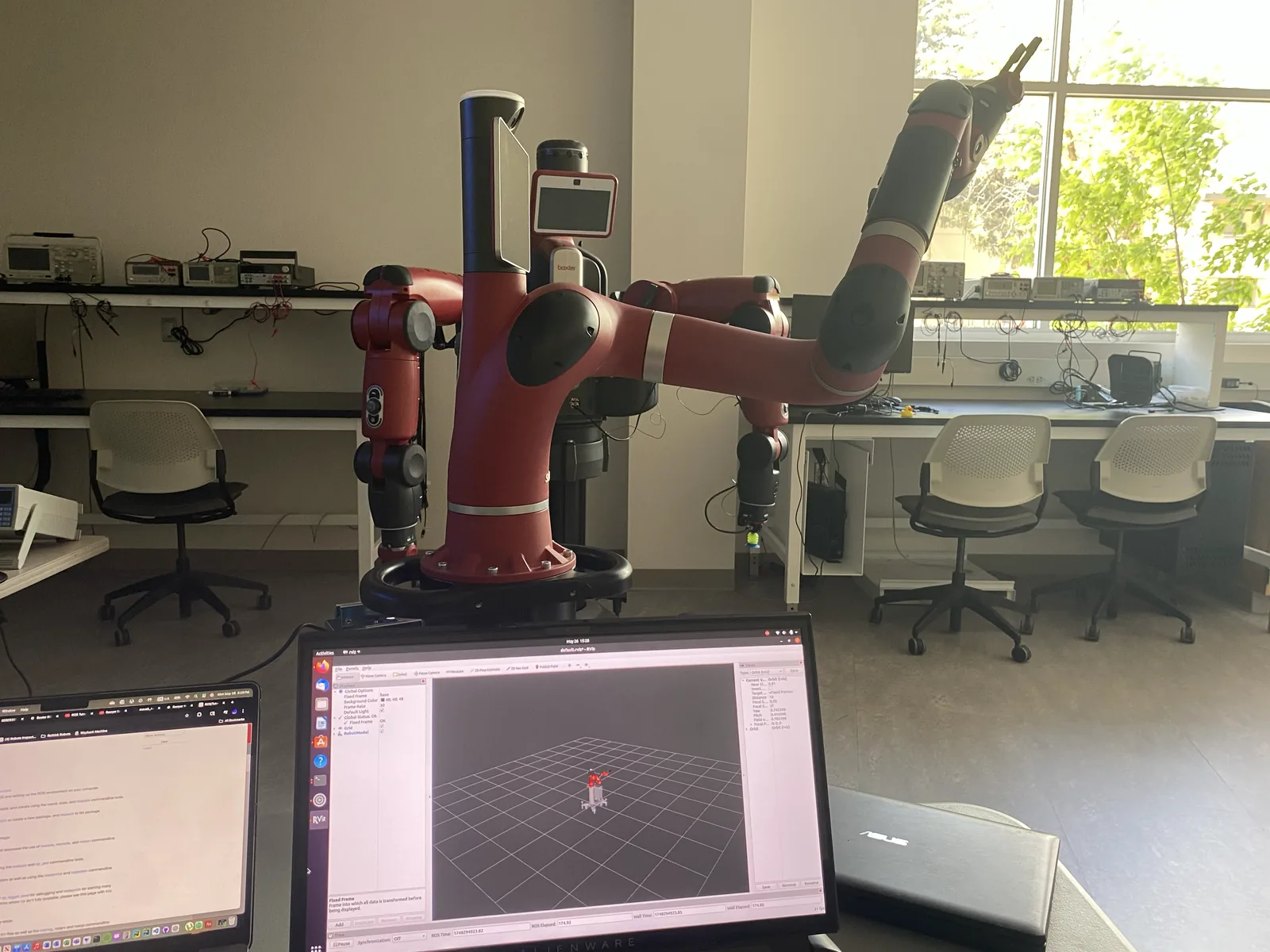
    Robot revival and perception research

    Sawyer/Baxter restoration · ROS · YOLOv8 thermal inspection

    Restored two dormant industrial arms with no vendor support, then built a YOLOv8 pipeline for photovoltaic hotspot inspection — synthetic Blender training data, live validation on hardware.

  5. Oct 2025 – Apr 2026

    NASA-challenge hexapod

    18-DoF autonomous walker · team lead of four

    Led the electrical system, autonomous firmware, and Kuramoto-CPG locomotion simulation for a hexapod that competed at NASA's Colorado Robotics Challenge at the Great Sand Dunes.

  6. May 2026 – present

    Humanoid sim-to-real research

    Booster K1 · NaVILA-style VLA + RL locomotion · Dr. Yiyan Li

    Leading sim-to-real research on a real humanoid: a two-tier architecture pairing ~1 Hz vision-language planning with a 50 Hz reinforcement-learned locomotion policy trained in Isaac Sim / Isaac Lab.

  7. Next · Fall 2027

    Graduate study

    Embodied AI / robotics

    Deepen foundations in learning, perception, and control; sharpen research taste; build toward physical-AI systems that hold up outside the lab.

Writing

Technical reports

Systems are only as credible as their writeups. These are the reports this site is structured to hold.

Field guide

Baxter troubleshooting guide — reviving an unsupported robot

Practical fixes for Baxter startup failures, ROS networking, and Intera SDK issues, documented while restoring two dormant industrial robots with no vendor support — written so the next person skips the late-night debugging sessions.

Deployment reportPlanned

Deployment report — vision-language navigation on a real humanoid

The intended home for a full writeup of the Booster K1 deployment: system topology, latency budget, failure modes encountered on hardware, and what the demo videos actually show.

EvaluationPlanned

Simulation & RL evaluation — what transfers and what doesn't

Planned analysis of PPO locomotion training in Isaac Sim / Isaac Lab: training setup, evaluation protocol, and an honest account of the sim-to-real gap.

InvestigationPlanned

Perception & navigation analysis

Reserved for a deep dive on a perception or navigation subsystem — sensing setup, metrics, edge cases, and where the pipeline breaks first.

PostmortemPlanned

Systems integration postmortem — the three-machine relay

Planned postmortem on connecting GPU inference, a relay/control node, and a robot into one control loop: the seams that failed, the debugging path, and the design tradeoffs that survived.

Contact

Working on physical AI — or reviewing an application?

Direct is best: email gets answered.